 iercomputer.com – Event Reports & Opinion Updates
 iercomputer.com – Event Reports & Opinion Updates
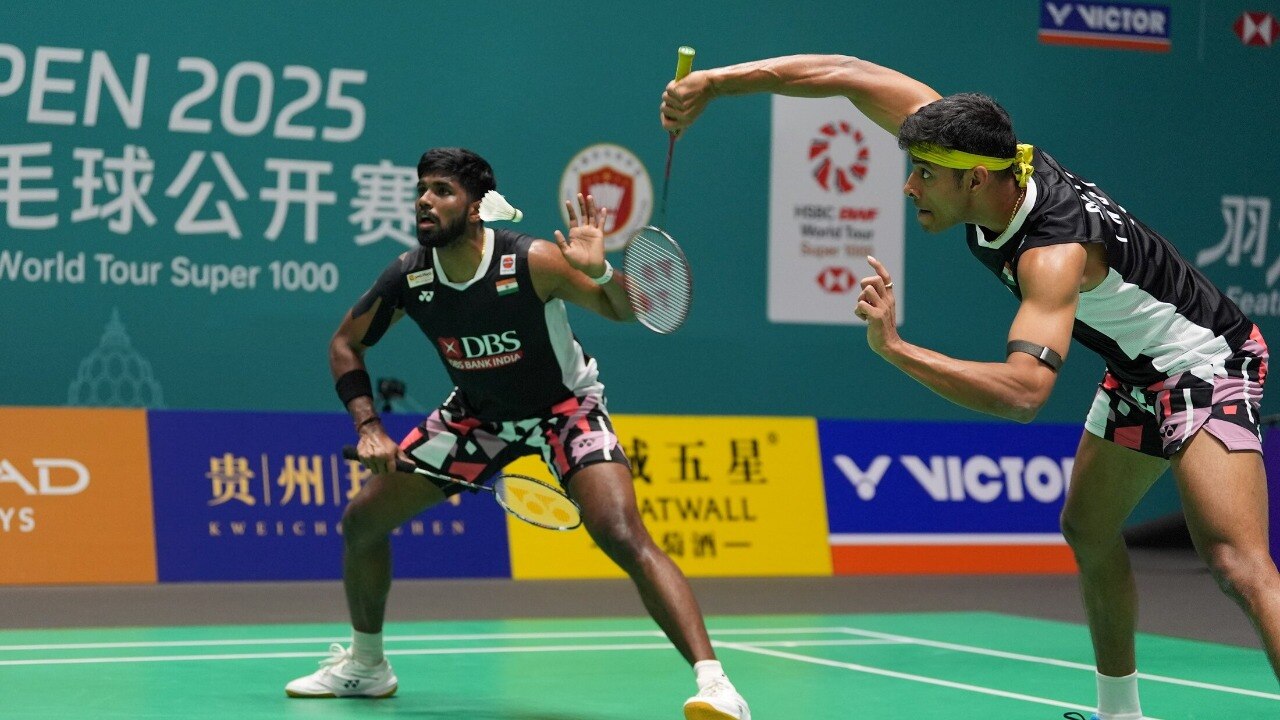

Badminton World Federation (BWF) secretary-general Thomas Lund has clarified the issue of the lack of shuttlecocks across the world. In an interview with news agency PTI, the BWF secretary said that the ongoing shuttlecock shortage has not yet reached a "crisis level."
World badminton is currently going through a shuttlecock crisis. If reports are to be believed, the Pullela Gopichand Academy, one of the biggest facilities for elite players in India, does not have more than two weeks of reserves for its players. The BWF secretary acknowledged the issue and said that the body was trying to find a long-term solution to the problem, keeping the sport's sustainability in mind.
A recent report from French newspaper L'quipe stated that the prices of imported feather shuttles have more than doubled in the past year due to a raw material crunch in China. In an interview with India Today, Badminton Association of India's Sanjay Mishra explained that the crunch has happened due to the change in eating habits in China.
“Goose feathers are what the best shuttles are made of,” Mishra, the BAI secretary, explained to the masthead. “Yonex is based in Japan, but their entire shuttle manufacturing happens in China. And people in China have reduced eating goose and duck — that’s why the manufacturers are not getting any feathers.”
It takes 16 feathers to make a single shuttlecock, and the issue is compounded by the fact that they wear out quickly. A standard singles match might use up nearly two dozen shuttles.
The BWF secretary confirmed that the world body was in talks with manufacturers to experiment with synthetic material. However, he attested that the lack of natural shuttles had not reached a crisis level yet.
"And while we are naturally concerned by this barrier, in our dialogue with the large-scale manufacturers and their assessment of the situation, we don't believe this is at a crisis level yet," he explained.
"The Badminton World Federation (BWF) is 100 percent committed to investing in and developing synthetic shuttlecocks for the future sustainability of the sport and to ensure long-term accessibility for continued generations of players. We have been committed to this project for over the last 10 years," Lund added.
"...in saying this, BWF is not a shuttlecock manufacturer itself, and therefore the onus must still be on the shuttlecock producers to address these supply chain challenges and to also fast-track more advanced synthetic options," he concluded.
Newer articles
Older articles

 Heart Attack: Don't Ignore These 5 Early Warning Signs That Can Appear Weeks Before
 Astronaut Shukla to Connect with Indian Students, ISRO Scientists from Orbit
 Hydration Habits Could Significantly Lower Risk of Heart Disease, New Study Suggests
 Bangladesh Coach Phil Simmons Temporarily Steps Away From Sri Lanka Tour for Medical Checkup
 Steve Smith Eyes Grenada Test Return After Injury Layoff
 FIFA Club World Cup 2025: Upsets, Messi Magic, and 2026 World Cup Concerns Emerge
 Teenage Star Lhuan-dre Pretorious Smashes 61-Year Record, Youngest South African to Score Test Century on Debut
 Rohit Sharma Hails T20 World Cup Win: 'Barbados Forever in My Veins' After India's Triumph
 Black Caps Set for Blockbuster Home Summer Against Cricket Giants Australia, England, South Africa & West Indies
 THIS ‘silent’ disease causes sudden heart failure: 3 signs that should not be ignored